

How Swings and Movement Tools Support Children
Swings and movement-based sensory tools are essential for stimulating the vestibular system, which controls balance, spatial awareness, and coordination. Controlled swinging, rocking, spinning, and bouncing provide sensory input that helps children regulate energy, focus, and emotional states. These tools are widely used in schools, therapy centers, and homes to support children with sensory processing challenges, autism spectrum disorder, ADHD, or developmental delays.
Understanding Vestibular Input
The vestibular system, located in the inner ear, helps the brain understand movement, gravity, and spatial orientation. Children who struggle with balance, coordination, or sensory regulation benefit greatly from controlled movement activities. Swings and movement tools provide the consistent stimulation needed to strengthen this system.

Types of Movement Tools
Sensory Swings
Sensory swings allow children to sit, lie, or hug a swing while experiencing gentle or vigorous motion. Different types of swings (platform, hammock, net, or pod swings) offer varied sensory experiences and can be tailored to the child’s needs.
Balance Boards and Rockers
Balance boards and rockers engage core and leg muscles while encouraging controlled movement. They improve posture, coordination, and body awareness while providing calming or alerting input.
Therapy Balls for Movement
Large therapy balls encourage bouncing, rolling, or supported exercises. These tools stimulate vestibular and proprioceptive systems simultaneously, promoting regulation and motor skill development.
Benefits of Movement-Based Sensory Tools
Emotional Regulation
Swinging or rocking provides rhythmic, repetitive input that can calm overstimulated children or energize those who are lethargic. This helps reduce anxiety, meltdowns, and frustration.
Improved Focus and Attention
Movement breaks using swings or balance tools can reset a child’s attention span, allowing them to return to academic or therapeutic tasks more focused and engaged.
Gross Motor Development
Movement tools strengthen muscles, improve balance, coordination, and overall body awareness. These physical skills support functional independence in daily activities.
Sensory Integration
Regular, structured use of movement tools helps children process sensory information more effectively, enhancing overall learning and engagement.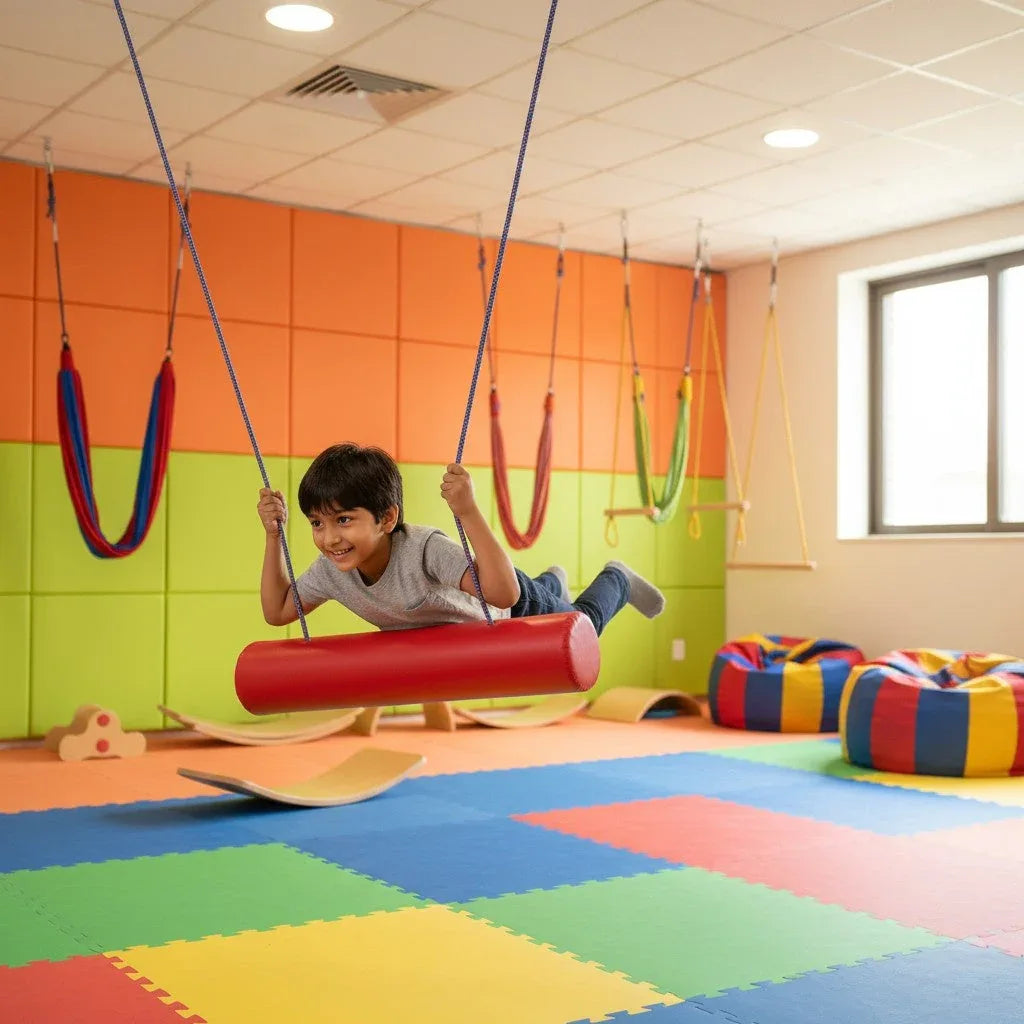
Incorporating Movement Tools into Daily Routines
At Home
Set up a safe area for swings, balance boards, or rockers. Encourage short, structured sessions throughout the day to support self-regulation and sensory needs.
In School
Movement breaks between lessons help children refocus. Teachers can schedule brief sessions on swings or balance boards to improve attention and reduce fidgeting during class.
During Therapy
Occupational and physical therapists use movement tools to target specific vestibular and proprioceptive goals, such as balance, posture, and coordination. Exercises can be tailored to the child’s needs and developmental level.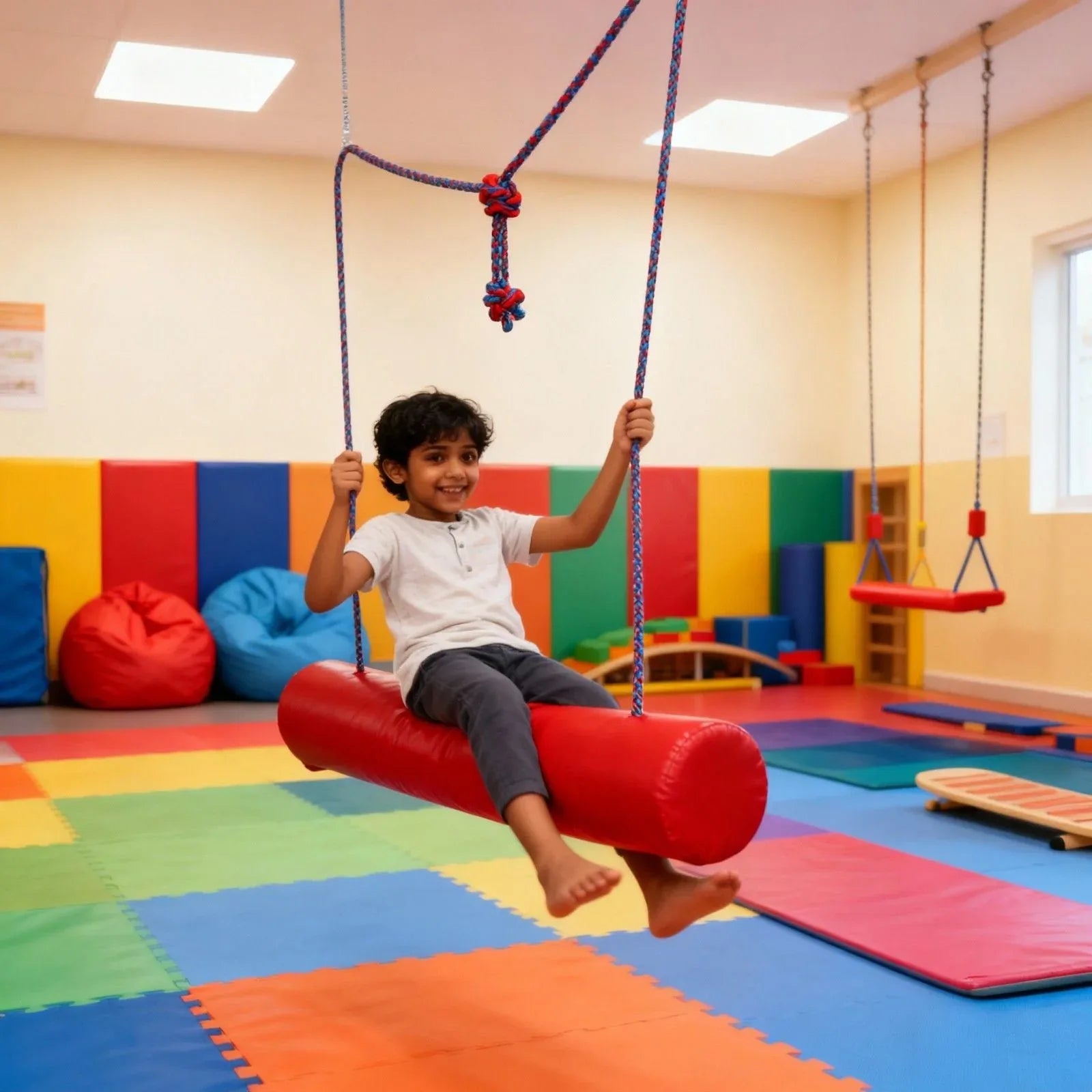
Safety Considerations
-
Ensure swings and movement tools are properly installed and secured.
-
Always supervise children, especially during new activities or with younger users.
-
Choose equipment appropriate for the child’s size, weight, and skill level.
Long-Term Impact
Consistent use of swings and movement-based sensory tools enhances self-regulation, gross motor skills, balance, and attention. Children gain confidence in their body awareness, coordination, and ability to manage sensory challenges. These tools are not just for play—they are therapeutic strategies that help children thrive in daily routines, learning environments, and social interactions.