
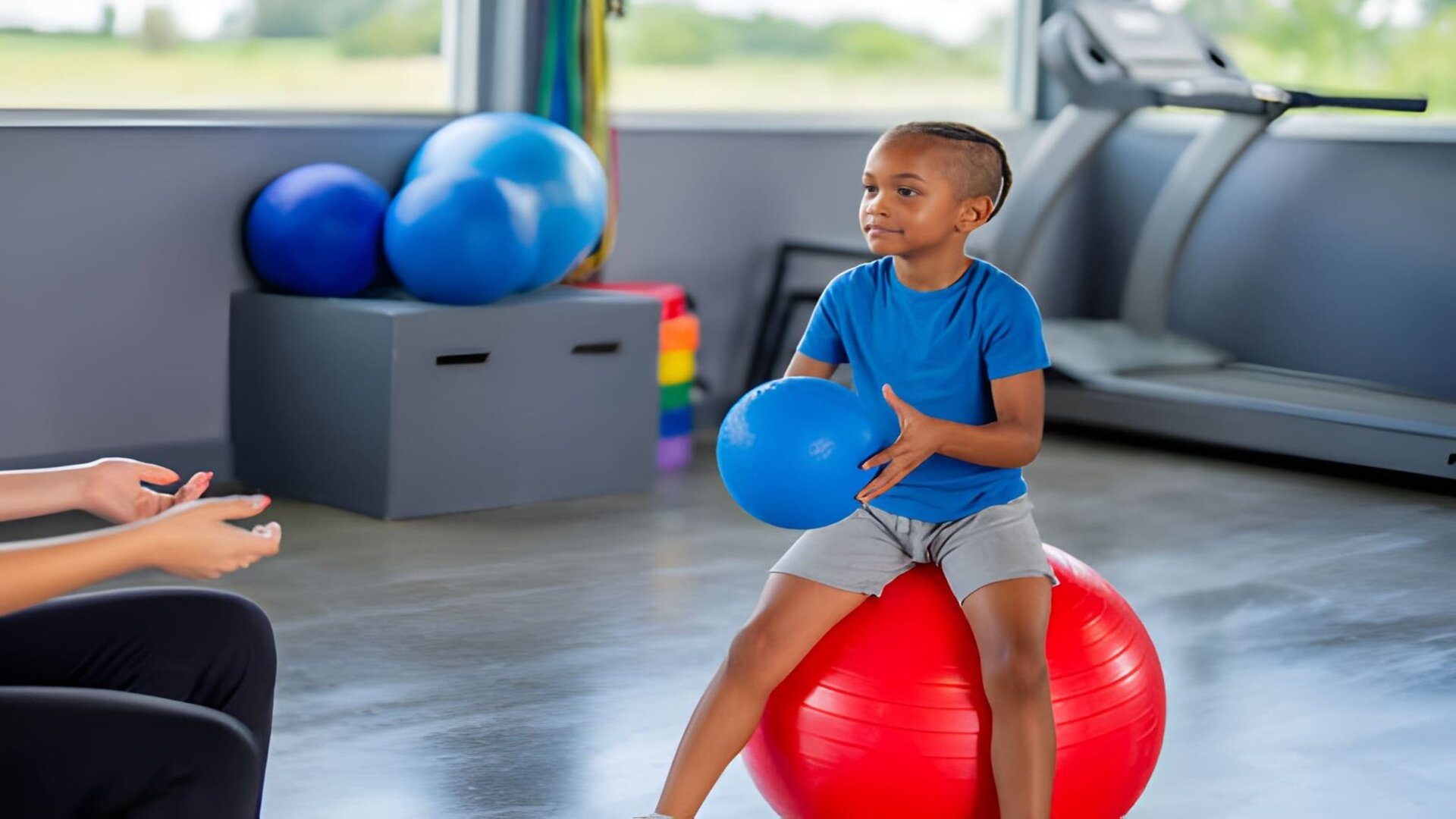
Therapy balls are versatile tools used to improve balance, posture, coordination, and core strength. They are commonly incorporated into occupational therapy sessions, classrooms, and home environments to provide controlled movement and proprioceptive input. Unlike traditional chairs, therapy balls encourage active sitting, which engages trunk muscles and promotes body awareness. This dynamic form of seating and exercise supports children who need movement to focus and regulate their energy levels.
Core muscles include the abdominal, back, and pelvic muscles that stabilize the body during movement. Weak core stability can affect posture, handwriting endurance, and overall coordination. Sitting on a therapy ball activates these muscles naturally, helping children maintain upright posture while performing tasks such as reading or writing.
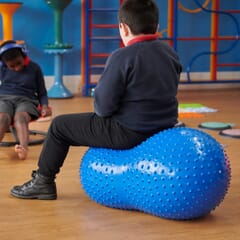
Therapy balls stimulate both the vestibular and proprioceptive systems. Gentle bouncing or rocking provides vestibular input, which supports balance and spatial orientation. The pressure applied through sitting or leaning on the ball provides proprioceptive feedback, which helps children understand where their body is in space.
Some children require subtle movement to maintain attention. Controlled bouncing or shifting weight on a therapy ball allows them to move without disrupting others. This can reduce restlessness and improve concentration during structured activities.
Slow rhythmic movements can have a calming effect, while faster bouncing can increase alertness. Adjusting the intensity and speed of movement allows caregivers and educators to meet a child’s specific sensory needs.
Therapy balls can be incorporated into daily routines in a variety of ways.
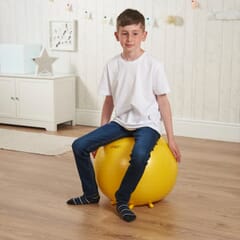
Replacing a traditional chair with a therapy ball for short periods encourages active sitting. It is important to ensure the ball is the correct size so that the child’s feet rest flat on the floor and knees are at a right angle.
Children can lie on their stomach over the ball while reaching for objects placed on the floor. This activity strengthens back muscles and improves upper body coordination. Rolling the ball back and forth while seated or supported can also enhance balance reactions.
Selecting the correct size and material is essential for safety and effectiveness.
When seated on the ball, the child’s hips and knees should form approximately 90-degree angles. A ball that is too small or too large can compromise posture and stability.
Anti-burst materials and textured surfaces provide added security. Supervision is recommended, especially during new exercises or for younger children.
Some caregivers worry that therapy balls may cause distraction. Structured guidelines and clear expectations reduce misuse. Limiting use to specific activities or time frames ensures the ball remains a therapeutic tool rather than a toy.
Consistent use of therapy balls can lead to improved posture, stronger core muscles, and better coordination. These physical improvements support academic tasks such as handwriting and sustained attention. Additionally, enhanced body awareness contributes to greater confidence in sports and playground activities. Therapy balls are more than exercise equipment; they are dynamic tools that support sensory integration, physical development, and overall well-being when used thoughtfully and consistently.